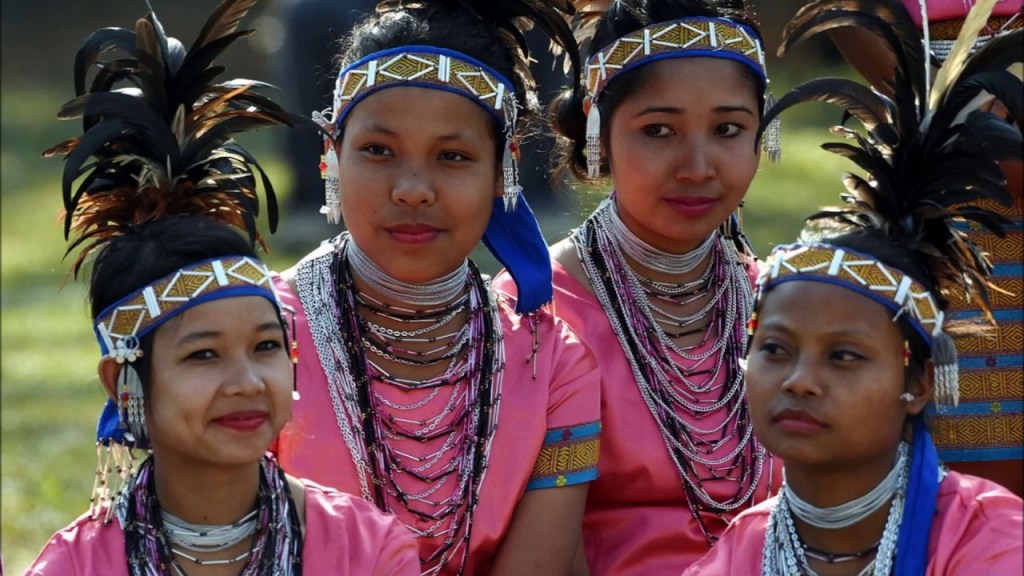
Bengali, otherwise known as Bangla, has ruled the tongues of Bangladeshis for centuries. This native, Indo-Aryan language is widespread throughout the country, with all but a mere two percent of the nation speaking as their primary language. English, likewise, is commonly spoken as a second language. There are dozens of additional, indigenous languages that are still being used today throughout Bangladesh. Among these are Chak, Megam, and Pangkhua, all of which are highly endangered. The International Mother Language Institute, stationed in the nation’s capital, Dhaka, has aimed to preserve language across the country since its inception in 1999. With a large number of languages now threatened by extinction, many natives have reverted to speaking Bengali as a means of integrating themselves into their homeland. Additionally, many minority groups feel a lack of recognition and support for their native tongue which has caused internal affairs within the country.
Nationalism, however, seems to have played the role of unification amongst Bangladeshis. This engrained movement within the nation, especially over the last few decades since their departure from Pakistan’s rule, has motivated Bangladesh to get up to speed in an evermoving world. President Ziaur Rahman is credited with his instilment of this ideology before his assassination in 1981. As Bangladesh gained its independence in 1971, a sense of religious nationalism because prominent within the country. Zakaria’s biggest fear with the rise of nationalism is the subsequent need for every player in the game to impose their ideas and interests internationally. Zakaria says, “This raises a conundrum—how to get a world of many actors to work together.” This is a relevant concern, especially with the rise of power and eagerness to succeed within the world.
Indigenous people in Bangladesh are in a difficult contemporary position. They make up an extreme minority and are not recognized as indigenous. One of the biggest concerns facing these people now is their lack of land rights. Indigenous organizations claim that their human rights are being violated and the respect and protection of their people are being ignored. Indigenous women have also experienced high rates of sexually assault in recent years and the state has failed to bring justice to these cases.
Bangladesh is in a unique economic state. While still underdeveloped, the growth experienced within the last decade has put Bangladesh in the top three growing economies in the world. Regardless of this strong and constant growth, Bangladesh remains economically unequal. The Gini coefficient, measuring economic equality within a nation, has seen an increase to .458 in the last two years. GDP in Bangladesh is as high as it’s ever been, but this rise has failed to open the job market. This period of jobless growth has caused concern for Bangladeshis. The political leaders and citizens alike are working in unison to acknowledge their issues and construct a healthy and successful country. Bangladesh has the potential to be a thriving nation in the decades to come.
https://www.thedailystar.net/frontpage/news/inequality-all-time-high-1745569
https://www.iwgia.org/en/bangladesh
https://www.ethnologue.com/country/bd/languages
 Globalization: Asia