Human rights are the entitlement of all people to be treated equally and fairly. In many cases, climate change contradicts this freedom. Health, food, and standard of living are among the basics of human rights. But contemporary climate issues are disrupting this equality for millions. Linking climate change and human rights is a crucial first step in driving preventative efforts. Environmental threats are present. They are at a point where they need to be addressed immediately before they are irreversible. Rising temperatures and pollution are threatening the lives of humans, and these object the universal rights we wish to grant everyone.
There are fifteen thousand indigenous cultures still alive throughout the world today. Deforestation, industrialization, and other expansive efforts continue to threaten these groups. In the last century alone, a third of Brazilian tribes have gone extinct. Most of these remaining groups have populations of less than one thousand. These are endangered cultures. Endangered cultures can be found across the globe. However, their populations are declining significantly, and these valuable cultures are vanishing into thin air. What can be done to preserve these people? The first step is to acknowledge and understand that this group is neglected and in need of immediate help. Organizations like Strong Villages and Cultures of Resistance are aiming to do so. Beyond spreading awareness, is a call for action. There are several ways endangered cultures face extinction, and the less we contribute to these, the more we help.
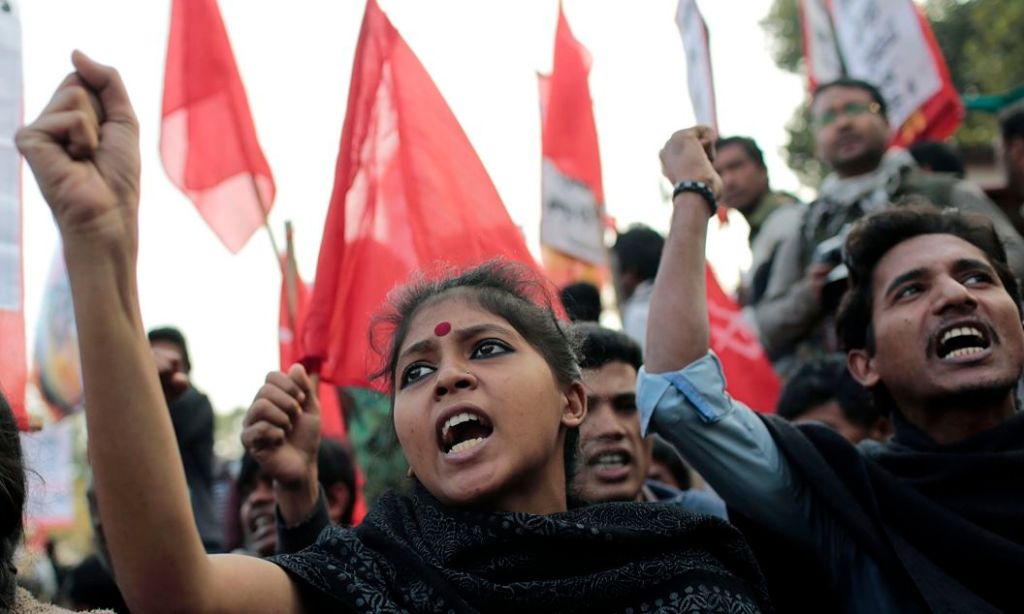
Eurocentrism refers to the evaluation of other cultures based on western culture. Centrism, meaning at the center, and Euro, referring to European societies, were first combined and used throughout the 20th century. Eurocentrism and ethnocentrism are closely related, as Eurocentrism is just a specificity of ethnocentrism. The term is often used to express a level of superiority against other non-western cultures. In general, eurocentrism is referred to in a negative light. When considering the issues of endangered cultures, or any global issue, eurocentrism most typically hinders our ability to feel empathy by restricting our personable view of others. Instead, we compare cultures and lack proper situational understanding. Farish Noor states that we need a “multicultural understanding of human rights.” We are better off as awareness and education rise. For this reason, eurocentrism can prevent cultural progress. Aside from this, Bangladesh continues to advocate for its indigenous people. They face issues in a changing world as every nation does, but they have remained proactive and current as they pursue a fair and protective country for all.
Sources:
http://encyclopedia.uia.org/en/problem/135023
https://www.hrw.org/world-report/2019/country-chapters/bangladesh
 Globalization: Asia